Dearest Gentle Scrollers,
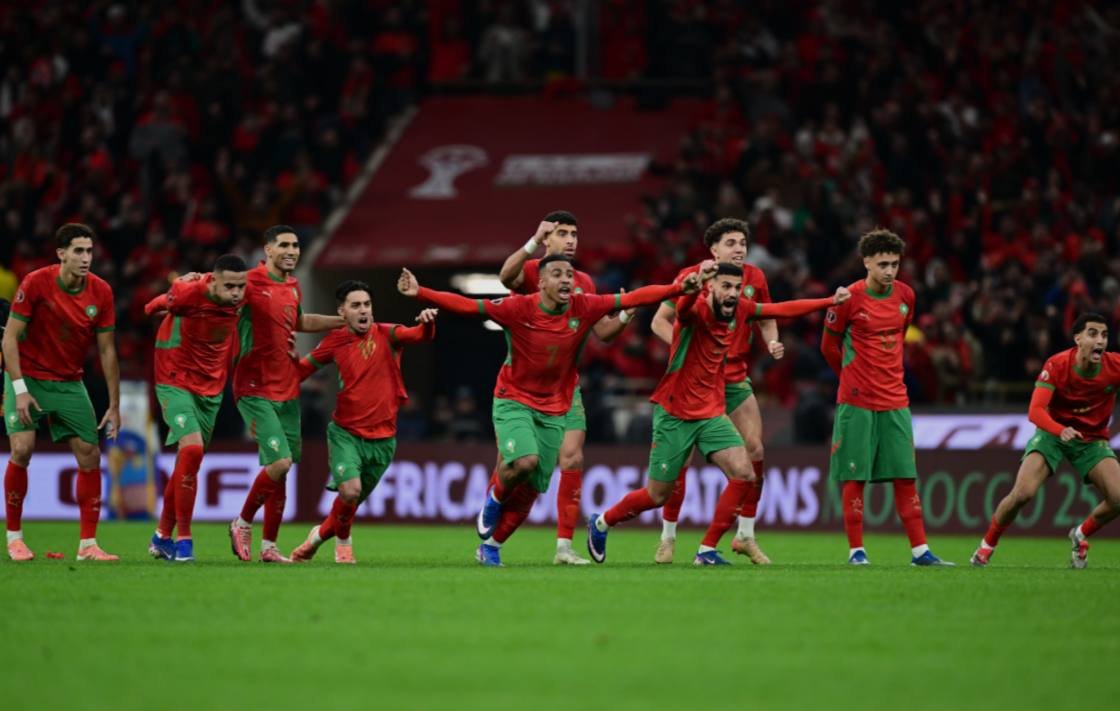
The dust has finally settled in Rabat, but the whispers in the corridors of power are only just beginning. The 2025 Africa Cup of Nations Final will not be remembered for the sweat shed upon the grass, but for the fifteen minutes where time and the hearts of a continent stood perfectly still. In a move that has sent tremors through the very foundations of the game, CAF has issued a landmark ruling. The on-field triumph of Senegal has been overturned, and the crown has been placed upon the head of Morocco with a formal 3-0 victory. While the “Market Square” cries out in protest, your Silent Observer sees a tapestry woven not with “theft,” but with the cold, golden threads of the law.

In the high-stakes theater of the “Throne Room,” passion must always bow to the code. CAF’s decree was no mere whim; it was the sharp application of the tournament’s most sacred regulations.
- Article 82: This mandate is clear should a team refuse to play or depart the grounds before the final whistle without the referee’s blessing, they are deemed the loser.
- Article 84: This is the royal hammer. It dictates that any infringement of Article 82 results in an automatic disqualification and a 3-0 defeat.
When the Senegalese bench commanded their players to vanish from the pitch in protest of a VAR-awarded penalty, they did not merely pause the game they legally surrendered their claim to the throne.
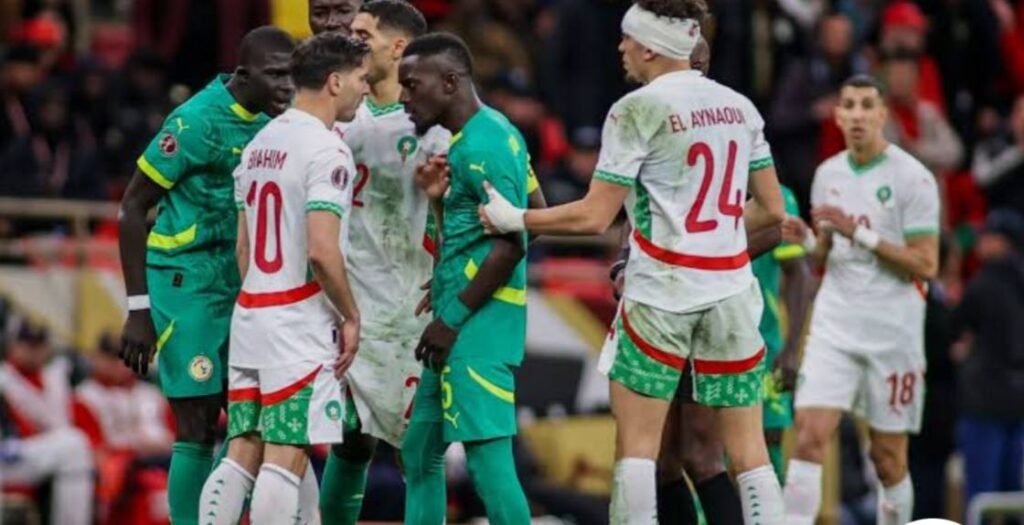
There is an elegance to the argument regarding the “emotional damage” inflicted upon Morocco. Imagine, Brahim Díaz standing over that penalty spot. He was not merely facing a goalkeeper; he was enduring a fifteen-minute psychological freeze an “icing” of the kicker designed to shatter Morocco’s momentum. In the world of the elite, mental integrity is as precious as physical grace. To allow a team to hijack a player’s focus by walking off is to allow chaos to reign over the pitch.
Perhaps the most profound observation I have made from the rafters is the urgent need for a shift in our collective psyche. For too long, a “victim mentality” has suggested that the host nation is always favored by the invisible hand of corruption.
If African football is to be draped in global respect, we must respect the officials, even when the calls are as bitter as gall. Refusing to play is a relic of a bygone era; it has no place in a modern, sophisticated game.

There is an unwritten rule that I shall now make official: The Cup belongs to the dignity of African football, not to the teams. If a side shows contempt for the tournament by walking away from its final act, they prove they are not yet worthy of the weight of that trophy.
CAF’s decision is more than a result; it is a warning. The rules must always be greater than the players, and the integrity of the game must always be larger than the scoreboard.
Yours Truly,
Your Silent Observer