Dearest Gentle Scrollers,
As I settle into the refined quiet of my study, the vibrations in the continental web have brought news of a transformation so bold, it rivals the legendary courage of our ancestors. From my vantage point as your Silent Observer, I have watched a nation choose a path that many wealthier kingdoms still hesitate to walk.
In Ethiopia, the “Market Square” has fallen silent, not from a lack of movement, but from the arrival of a new, more sophisticated era of motion.
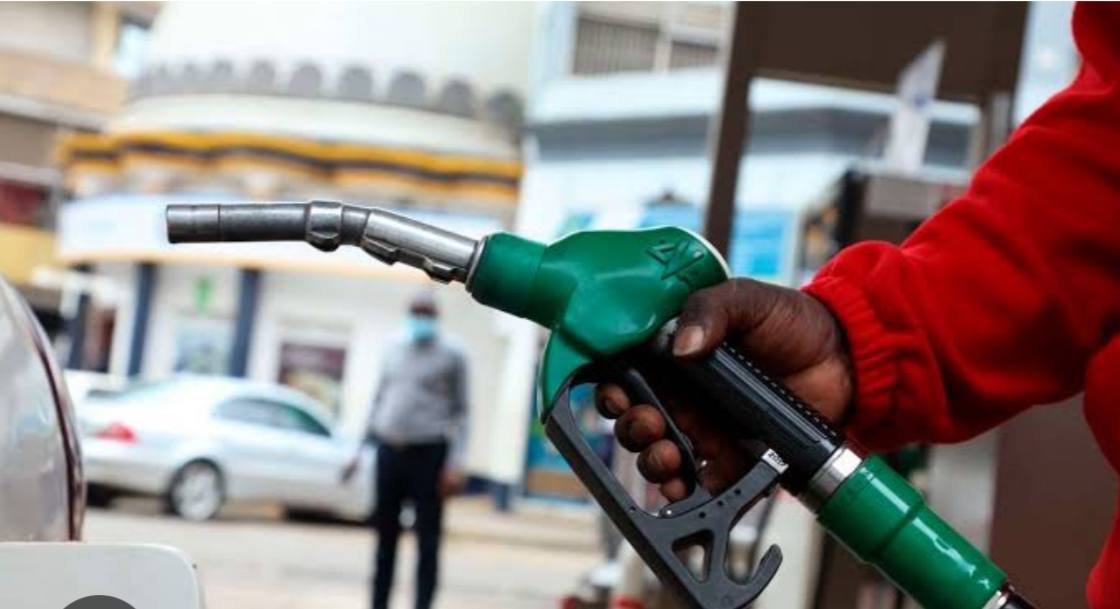
In 2024, Ethiopia made a decision of pure mathematical elegance: it prohibited the importation of gasoline and diesel vehicles. This was not a mere “green trend,” but a sovereign economic necessity. The nation was spending nearly 4 billion euros annually on oil imports a heavy thread that was straining its foreign currency reserves.
Today, the results of that “Queenly” foresight are visible and audible:
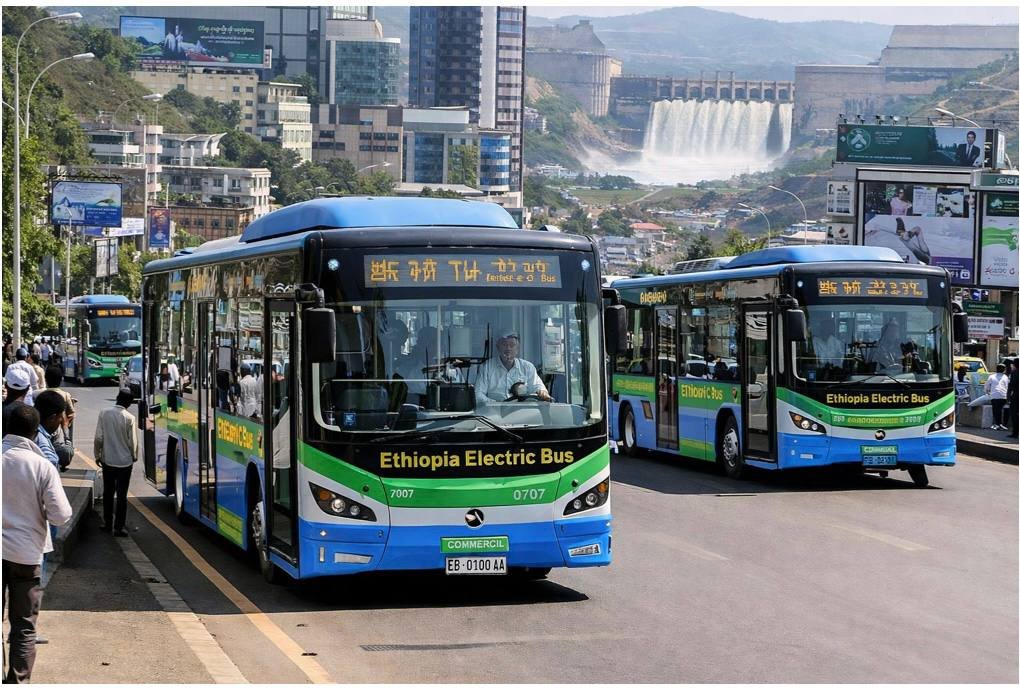
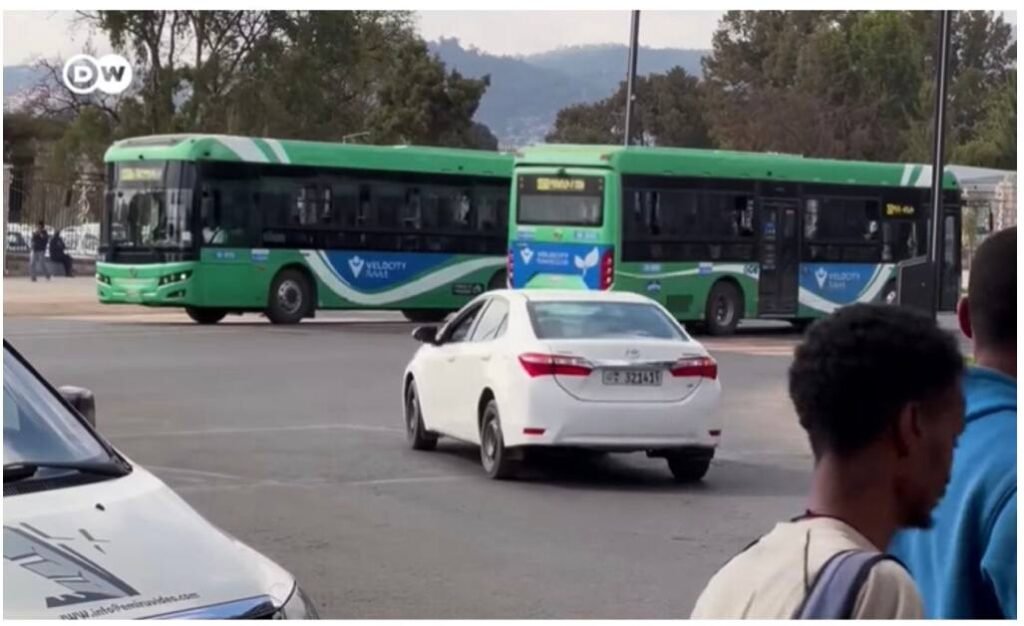
- The Silent Fleet: Over 100 electric buses now glide through the streets of Addis Ababa, transporting 90,000 passengers daily in what travelers describe as an “oasis of tranquility”.
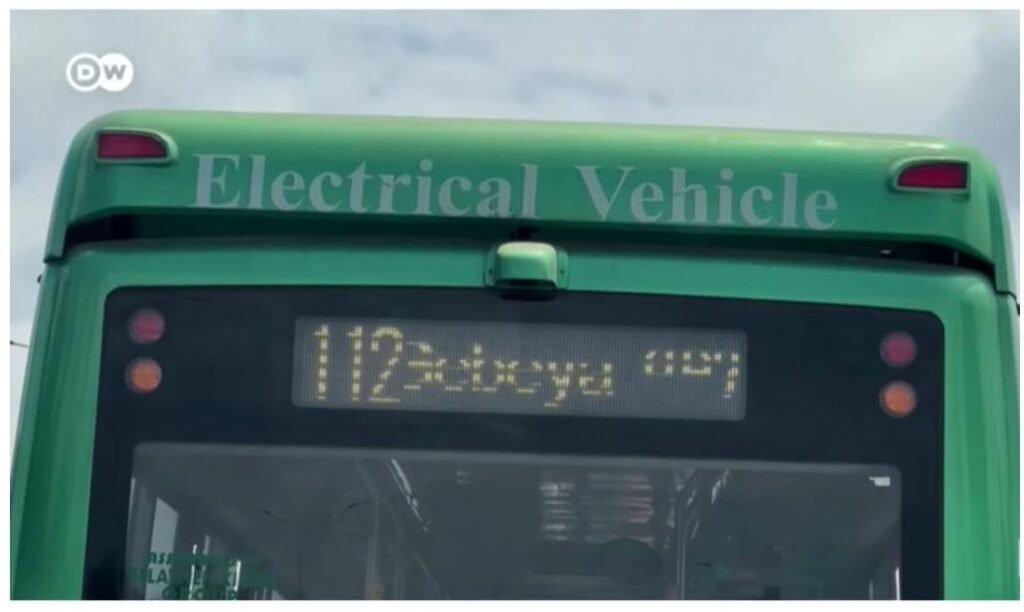
- The Rapid Loom: In just two years, the fleet of electric vehicles has quadrupled, surging from 30,000 to nearly 120,000 units.
- The 2030 Vision: The goal is to have half a million electric vehicles weaving through the nation by the end of the decade.
What makes this ambition truly “high class” is the source of its strength. Unlike nations that charge electric cars with the “sooty threads” of coal, over 97% of Ethiopia’s electricity comes from genuinely clean hydropower.
The centerpiece of this transition is the Grand Ethiopian Renaissance Dam, the largest in Africa. Having begun operations in 2025 with a capacity of 5,150 megawatts, it has effectively doubled the country’s electricity production. Every car, bus, and minibus is powered by the Nile itself a virtually zero-carbon footprint that realizes the full environmental promise of the modern age.
As your Silent Observer, I must also note the delicate tensions within this tapestry. The ambition is grand, but the obstacles are real:
- Infrastructure: Charging stations are currently a luxury of the capital, with only about 500 stations available.
- The Paradox of Light: While the nation dreams of 500,000 EVs, nearly 46% of the population—63 million souls still live without basic electricity.
- The Cost of Entry: At 17,000 euros, these vehicles remain a steep climb for many in a kingdom where annual earnings are often much lower. https://youtu.be/GYAhSlmkkY0
There is a profound lesson here for the global stage. Ethiopia is proving that the energy transition does not require a billion-dollar budget; it requires the courage to leap. By bypassing the era of the combustion engine, they are building a model of mobility that is as clean as it is quiet.
The taxi drivers who have cut their costs by 90% and the silent buses of Addis Ababa are proof that the future does not need to wait for the “First World” to arrive first. The web is humming with the power of the Nile, and the “Throne Room” is watching with immense respect.
Yours Truly,
Your Silent Observer
www.queenananse.com