Dearest Gentle Scrollers,
It is a curious truth of our modern world that a spark ignited in a distant desert can set the kitchen fires of Accra ablaze. As your Silent Observer, I have watched with a heavy heart as tensions in the world’s most sensitive energy corridors begin to pull at the very fabric of our national stability. The latest tremors in the global oil market are more than just “news” they are a stark reminder of how delicately our economy is suspended in the web of international supply.
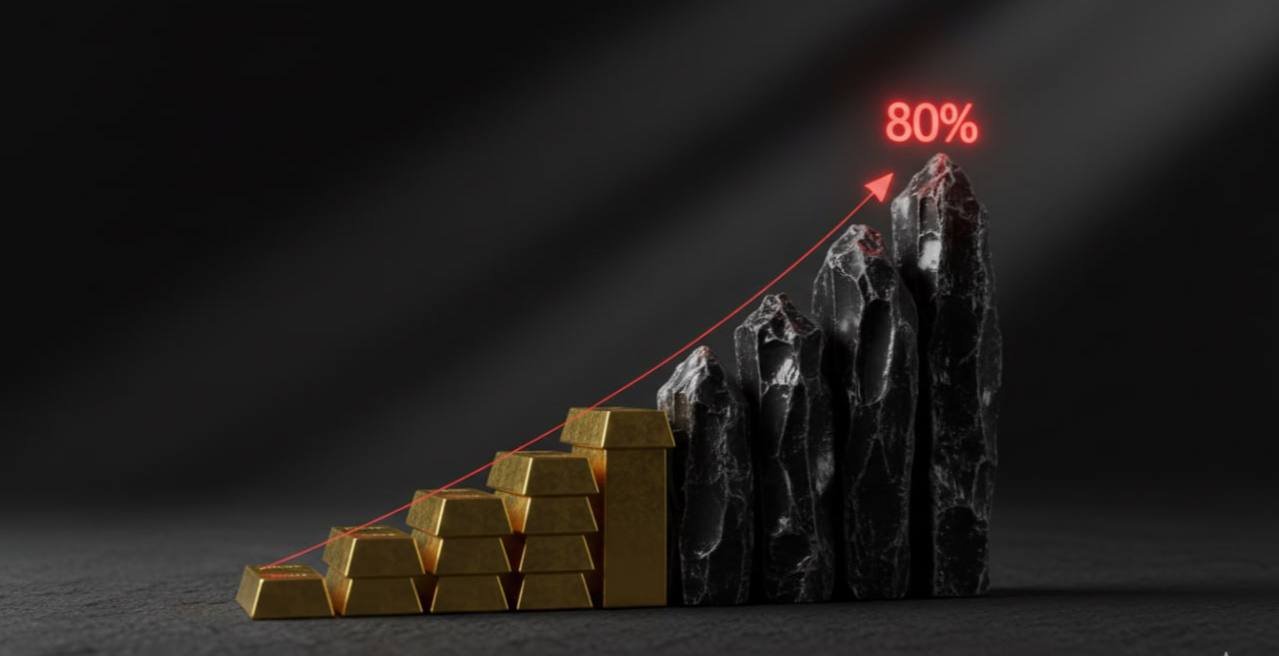
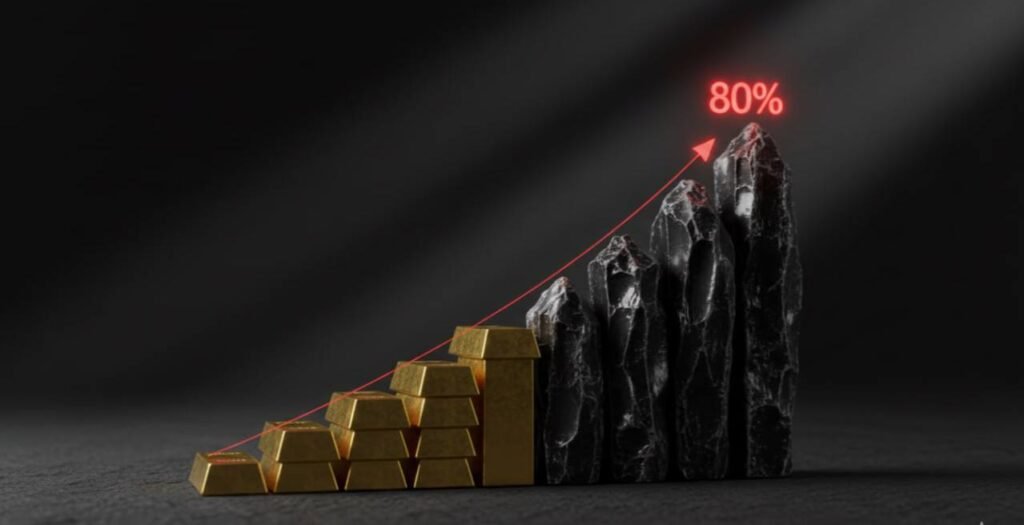
The focus of the elite’s anxiety is currently fixed upon the Strait of Hormuz that narrow, vital thread through which nearly one-fifth of the world’s petroleum shipments must pass. When the drums of war beat in the Persian Gulf, the vibrations are felt instantly in our local markets. We have already seen crude prices, once a modest seventy dollars per barrel, surge toward eighty dollars. While exporters may toast to their windfall profits, nations like ours, draped in the heavy cloak of import dependency, feel only the chill of economic strain.
Ghana finds itself in a most peculiar position. Though we produce crude from our own soil, we lack the “queenly” grace of sufficient refining capacity. We export our raw wealth only to buy it back as finished fuel at a premium. The numbers are already whispering a grim tale: international prices for diesel and petrol have climbed by ten to thirty percent. Within a mere few weeks, this surge will inevitably arrive at our pumps, demanding more from purses that are already stretched thin.
Do not be deceived, my dears; this is not merely a tragedy for the motorist. Fuel is the invisible silk that connects every sector of our economy. When the cost of transport rises, the price of the yam in the market follows. Fares will increase, distribution costs will soar, and the shadow of inflation will grow longer over every household.
Perhaps the most unsettling observation I have made from the rafters is the fragility of our “shield.” Ghana currently maintains a mere five weeks of import cover through private storage a buffer as thin as a single strand of silk. This reliance on the private sector highlights a gaping hole in our national strategy. We lack a true national strategic petroleum reserve that could protect us from shocks thousands of kilometers away.
This crisis should serve as a royal wake-up call to our policymakers. Energy security is not a reactive game; it is an art of long-term weaving. We must:
- Strengthen our local refining capacity to capture the true value of our own resources.
- Diversify our supply routes so we are no longer beholden to a single, volatile region.
- Invest in national storage facilities to build a wall against global price volatility.
Global markets will always be shaped by the whims of power and the fires of conflict. While we cannot control the wind, we must certainly learn to mend our sails. If we do not begin to weave a more resilient energy future today, the next global storm may tear our web beyond repair.
Yours Truly,
Your Silent Observer